
What Fasting Actually Does To Your Body, Hour By Hour
From the last bite to 72 hours: the real metabolic, hormonal, and cellular timeline of a fast. Backed by research, no hype.
Most of the popular content on fasting is right about the destination and wrong about the timing. Here's what actually happens to your body, hour by hour, from the last bite to 72 hours, based on the published research, with no hype.
A few things to know first: every claim below is cited at the foot of the post. Most fasting research is animal-model first and human-trial second, so we use "studies suggest" language throughout. We've both done long fasts. None of this is medical advice. If you're on medication or have any chronic condition, do not fast without medical supervision.
Hours 0-4: digestion
Nothing dramatic. Insulin is elevated to deal with your last meal. Your body is in absorptive mode, taking what it needs, storing the rest as glycogen in liver and muscle, parking the surplus as fat. Energy comes from glucose. No fat-burning of consequence is happening yet.
This is also where blood sugar peaks and crashes for most people, which is why hunger comes back hard around hour 3-4 if your last meal was carb-heavy.
Hours 4-12: glucose drop, glycogen tap
Insulin starts falling. Glucagon, its opposite hormone, starts rising. Your liver begins releasing glucose from its glycogen stores to keep blood sugar steady [6]. This is the "smooth running" phase. Most people feel fine, sometimes even sharper, somewhere in this window.
By hour 12, liver glycogen is largely depleted. Now the metabolic switch starts.
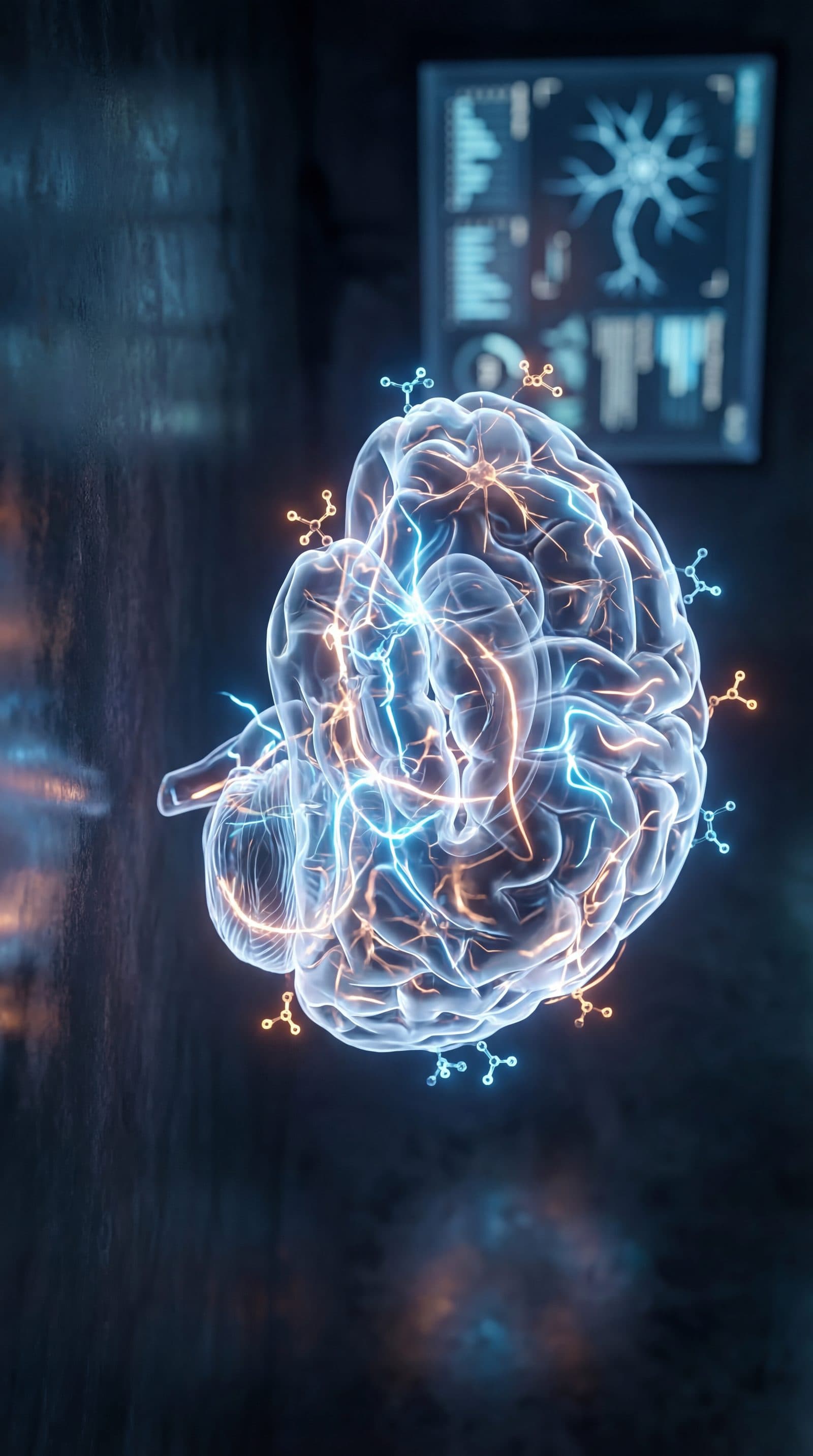
Hours 12-18: the metabolic switch
This is where the interesting stuff begins. With glycogen tapped out, your liver starts breaking down fatty acids into ketone bodies, a clean, efficient fuel that the brain happily uses [7]. Some people feel this as a click of mental clarity. Others feel hangry.
Insulin sensitivity improves measurably in this window [5]. Your body is shifting from "burn what you ate" to "burn what's stored". This is the metabolic flexibility every health protocol claims to be after.
Hours 18-24: autophagy ramps
Autophagy, the cellular cleanup process where your cells digest damaged proteins and organelles, is happening all the time. Fasting upregulates it [3]. Direct human autophagy measurement is notoriously difficult, but the limited human data available suggests meaningful increases somewhere in the 18-24 hour window, with the rate continuing to rise into the 24-48 hour range.
This is why "autophagy starts at 16 hours" is mostly internet folklore. It doesn't switch on at a specific hour. It dials up gradually as nutrient signalling falls.
Hours 24-48: HGH spike, peak autophagy
By 24-48 hours fasted, human growth hormone has spiked substantially, with classic research showing multi-fold increases in healthy adults [2]. HGH protects muscle mass during the fast and supports tissue repair. Combined with rising noradrenaline, this is why short fasts don't burn through muscle the way you might expect.
Autophagy is now running hotter. Old proteins, damaged mitochondria, misfolded molecules, all getting recycled. This is the cellular spring-clean people fast for.
Hours 48-72: immune system reset
Long fasts trigger something extra: the breakdown and regeneration of immune cells. Research from the Longo lab at USC shows that prolonged fasting (48-72+ hours) reduces older immune cells and stimulates stem-cell-based regeneration of new ones, demonstrated robustly in mice with early signal in human cohorts [4]. This is one of the few areas where animal-model findings have started replicating in human trials.
This is also where most people stop because it's genuinely hard. Hunger usually peaks somewhere around 36 hours, then often subsides. Energy can wobble. Sleep can get strange. None of this is signal that you need to eat, but it is signal that this is no longer a casual experiment.
What this is NOT
A few things to be honest about:
| Claim you'll see online | What the research actually says |
|---|---|
| "Autophagy starts at exactly 16 hours" | Autophagy is constant; fasting upregulates it gradually, with meaningful effects from ~18-24 hours onwards |
| "Fasting cures cancer / diabetes / Alzheimer's" | Mechanism evidence is interesting; clinical disease-treatment claims are not supported and are a YMYL line we will not cross |
| "You should fast every day" | Most research supporting fasting benefits uses periodic protocols, not daily extreme restriction |
| "Fasting is the most powerful tool we have" | It's a tool. Sleep, sunlight, training, and food quality do far more for most people. Fast as a lever, not a religion |
The bottom line
Fasting is a legitimate, well-studied intervention with real mechanisms behind it. It's also been hyped well past what the evidence supports. The hour-by-hour timeline above is the honest version: a gradual metabolic shift starting around hour 12, autophagy upregulation building through hours 18-48, and a more dramatic immune-system reset visible around hours 48-72.
For most people, the highest-leverage version is a 16-18 hour overnight fast a few days a week, paired with sleep, sunlight, and a real-food diet. That gets you most of the upside without making fasting your personality.
References
- [1]Effects of intermittent fasting on health, aging, and disease — New England Journal of Medicine (2019)
- [2]A 2-day fast in normal subjects: amplification of growth hormone secretion — Journal of Clinical Endocrinology & Metabolism (1992)
- [3]Autophagy: process and function — Genes & Development (2007)
- [4]Prolonged fasting reduces IGF-1/PKA to promote hematopoietic stem-cell-based regeneration — Cell Stem Cell (2014)
- [5]Early time-restricted feeding improves insulin sensitivity, blood pressure, and oxidative stress — Cell Metabolism (2018)
- [6]The biology of intermittent fasting — Cell Metabolism (2014)
- [7]Ketone bodies as signaling metabolites — Trends in Endocrinology & Metabolism (2014)
The TFC letter
Get the next one before the algorithm decides for you.
One email when we publish something genuinely useful. Written like this post: cited, honest about the evidence, no spam.
Keep reading
Educational content. Not medical advice. See our terms for the full disclaimer.