
Berberine Is Not Nature's Ozempic, Here's What It Actually Does
The TikTok berberine boom called it 'nature's Ozempic'. It isn't. Here's the real mechanism, the real evidence, and where it might actually have a role.
The "nature's Ozempic" framing on berberine is wrong. The molecule is real and the research is interesting, but the comparison is roughly the same as calling a paracetamol "nature's morphine" because they both do something for pain. Here's what berberine actually does, what the research actually shows, and where it might have a small but real role.
I'm writing this because I keep getting asked. Friends DM me a TikTok of someone shedding weight on berberine and want my take. The take, briefly: real molecule, real effects, badly oversold, mostly the wrong tool for the wrong job.
What berberine actually is
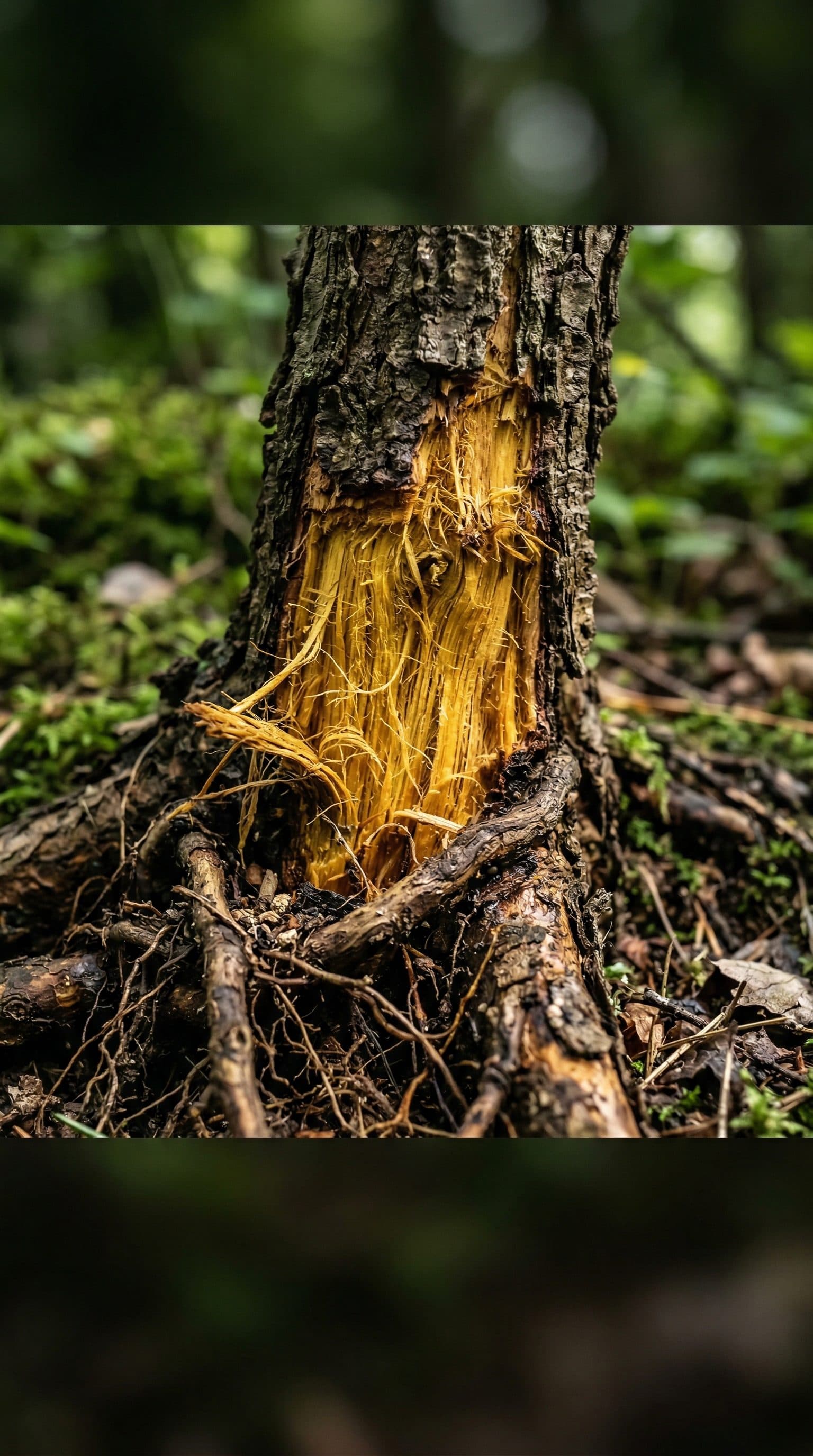
Berberine is a yellow alkaloid extracted from several plants, barberry, goldenseal, Oregon grape, Chinese goldthread. It's been used in Ayurvedic and traditional Chinese medicine for centuries, mostly as an antimicrobial for gut infections. The Western interest in berberine for metabolic health is a much newer story.
Mechanistically, the headline finding is that it activates AMP-activated protein kinase (AMPK), a cellular energy sensor that nudges metabolism toward fat-burning and glucose uptake [1]. AMPK is also what metformin, the most-prescribed type 2 diabetes drug in the world, primarily works through. So when researchers say "berberine is like nature's metformin", they have a real point.
What the evidence actually shows
In type 2 diabetics, berberine has shown modest but real effects on fasting glucose, HbA1c, and triglycerides [2,3]. A 2008 trial in Metabolism showed it produced glucose-lowering effects comparable to metformin in a small group of patients [2]. A 2019 meta-analysis on lipids showed consistent reductions in LDL and triglycerides [4].
In healthy people without metabolic dysfunction? The evidence is thin. Most of the impressive research is on people who already had a problem berberine was helping fix.
Studies suggestThe Ozempic comparison falls apart fast
| Berberine | Ozempic (semaglutide) | |
|---|---|---|
| Mechanism | AMPK activator (indirect) | Direct GLP-1 receptor agonist |
| Avg weight loss in trials | Modest, typically 2-3 kg over 3 months in metabolic-dysfunction populations [4] | 12-15 kg over 12 months in healthy adults with overweight [6] |
| Appetite effect | Mild, indirect | Profound, direct |
| Bioavailability | Poor (~5%) [5] | Engineered for sustained release |
| Side effects | GI: cramping, diarrhoea | GI: nausea, often severe initially |
| Cost | Cheap | Very expensive |
| Regulatory status | Supplement | Prescription medication |
These are not similar drugs. Calling berberine "nature's Ozempic" is the kind of marketing claim that sells supplements but corrodes the trust of anyone who actually checks.
Where berberine might genuinely have a role
I'll write this carefully because it's YMYL territory and we don't give medical advice.
Reasonable scenarios where berberine might be worth a conversation with your doctor:
- Pre-diabetic or insulin-resistant adults who've tried diet and movement first
- People with elevated triglycerides not responding to dietary changes
- Adults with PCOS where the insulin pathway is involved
- Short-term gut-flora intervention (with caveats, more on that)
What it's almost certainly not for:
- Healthy people looking for a weight-loss shortcut
- Anyone hoping it will replicate Ozempic's effects
- Long-term daily use without monitoring
The gut-flora caveat
Berberine has antimicrobial properties, that's why traditional medicine used it for gut infections. The flip side is that taking it daily, long-term, may also disrupt healthy gut flora. The research here is preliminary but the mechanism is plausible. Treat it as you would a low-dose antibiotic: useful for specific situations, problematic as a daily forever-thing.
What to do instead
If your blood sugar is the problem you're trying to solve, the highest-leverage interventions are unfortunately not exotic:
- Walk for 10 minutes after every meal. Almost magical for postprandial glucose.
- Eat protein and fibre first, starch last. This blunts the glucose spike on identical food.
- Cut industrial seed oils. They drive insulin resistance over years.
- Sleep 7+ hours. One bad night spikes insulin resistance the next day.
- Get morning sunlight. Resets cortisol and insulin rhythm.
- Lift weights twice a week. Muscle is the largest glucose sink in the body.
Do all of that consistently for three months. If you still have problems, that's when you have a real conversation about pharmaceuticals or supplements.
The bottom line
Berberine is a real molecule with real effects, badly oversold by an industry that loves a simple narrative. Comparing it to Ozempic is selling people on a fantasy. There may be a small, considered role for it in genuine metabolic dysfunction, alongside the basics. As a weight-loss shortcut for healthy people, it's almost certainly the wrong tool.
We do not stock it. We do not take it. We are not anti the idea, just the marketing.
References
- [1]Berberine, a natural plant product, activates AMP-activated protein kinase — Diabetes (2006)
- [2]Efficacy of berberine in patients with type 2 diabetes mellitus — Metabolism (2008)
- [3]Treatment of type 2 diabetes and dyslipidemia with the natural plant alkaloid berberine — Journal of Clinical Endocrinology & Metabolism (2008)
- [4]Effects of berberine on lipid metabolism (meta-analysis) — Phytomedicine (2019)
- [5]Pharmacokinetics and bioavailability of berberine — Drug Metabolism and Pharmacokinetics (2016)
- [6]Once-weekly semaglutide in adults with overweight or obesity (STEP 1 trial) — New England Journal of Medicine (2021)
The TFC letter
Get the next one before the algorithm decides for you.
One email when we publish something genuinely useful. Written like this post: cited, honest about the evidence, no spam.
Keep reading
Educational content. Not medical advice. See our terms for the full disclaimer.